


Aktuelles
Vortrag: A Frightened Modernity: Language, Politics, and Identity in Belarusian Cultural Projects of the 1920s and 1930s
[17.06.2026]19. Juni 2026, 18:00 Uhr, Pilecki-Institut Berlin
Impuls: Dr. Olga Shparaga (FernUniversität in Hagen)
Die Geschichte der belarusischen Moderne ist geprägt von Ambivalenzen: Während die 1920er Jahre als Zeit einer kulturellen und nationalen Erneuerung gelten, markieren sie zugleich den Beginn einer zunehmenden politischen Repression gegenüber der belarusischen Kultur. In dem Vortrag werden verschiedene kulturelle Projekte dieser Epoche, in der die belarusische nationale und kulturelle Identität sowohl vom sowjetischen Osten als auch vom Westen herausgefordert wurde, untersucht.
Anhand der Avantgarde in Wizebsk, des Kunsthistorikers Mykola Shchekotikhin sowie der Arbeit des ersten Instituts für Belarusische Kultur (InBelKult) werden die vielfältigen Versuche, eine eigenständige kulturelle Moderne zu entwickeln, beleuchtet. Zugleich geht der Vortrag der Frage nach, wie europäische Moderne in Osteuropa rezipiert und transformiert wurde – und weshalb Belarus häufig als ein Ort beschrieben wird, der die Moderne nie vollständig erfahren habe.
Mehrzahl Moderne: Das Lehrgebiet Public History der FernUniversität in Hagen fragt gemeinsam mit dem Pilecki-Institut Berlin, wie die neueren Geschichten Polens, der Ukraine und von Belarus als Teil der Geschichte Europas erzählt werden können. Wie lassen sich die historischen Erfahrungen dieser Gesellschaften erzählen, ohne historische Vorstellungen von Asymmetrie, Rückständigkeit und Überlegenheit fortzuschreiben? Eine Antwort auf diese Frage ist, die Moderne als Mehrzahl unterschiedlicher, miteinander verwobener Prozesse zu verstehen. Die Sensibilität für die Vielstimmigkeit, Komplexität und Verflechtung der Region ermöglicht den Blick auf die vermeintliche Peripherie zu schärfen. Indem wir ihre Vergangenheit ins Zentrum rücken, erinnern wir daran, dass heute über die Zukunft Europas in der Ukraine entschieden wird. Die Veranstaltungen werden aufgezeichnet und im Herbst 2026 im Modul M1 des MA Geschichte Europas zur Verfügung gestellt.
| Übersicht aller Termine: | https://www.fernuni-hagen.de/geschichte/lg4/aktuelles/news_0042.shtml |
| Adresse: | Pilecki-Institut Berlin, Pariser Platz 4a, 10117 Berlin |
| Sprache: | Der Abend wird simultan Englisch/Deutsch gedolmetscht. |
| Anmeldedaten für die Zoom-Übertragung: | per E-Mail an public-sekretariat |
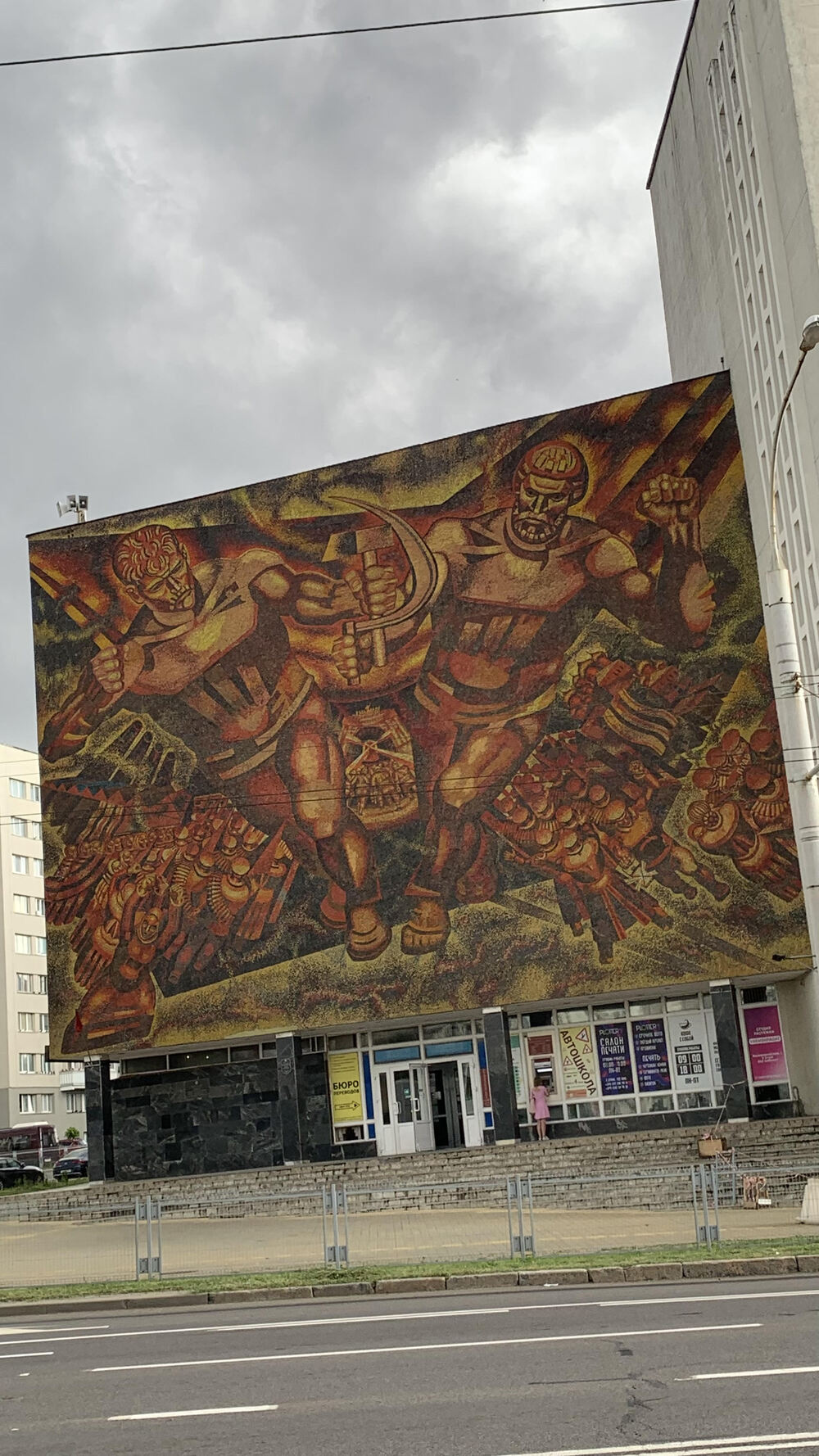 Foto: Anna Karpenko


