News
CATALPA at LAK26: Award, five workshops, and a strong presence
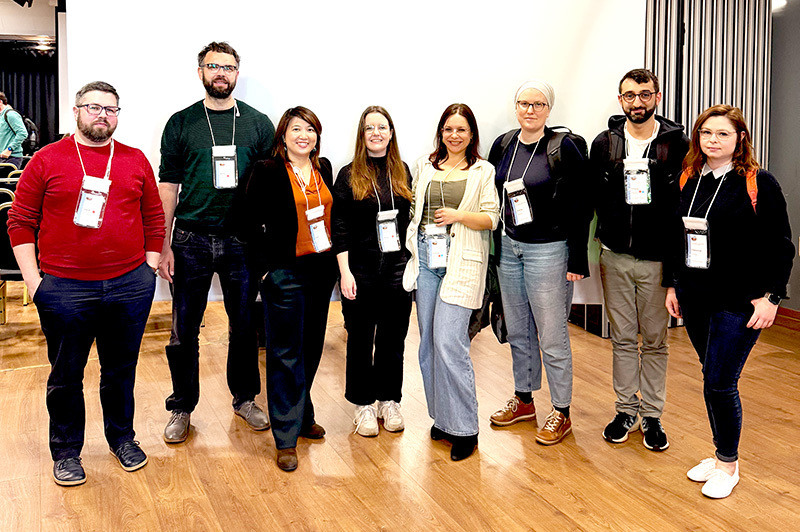
[18.05.2026]LAK26—the international conference of the learning analytics community—was a particular success for CATALPA this year: With five co-organized workshops, presentations at the Doctoral Consortium, posters, and participation in specialized workshops, the team made its presence felt in several areas. The event culminated in the team receiving a prestigious award.
Emerging Scholar Award for Kamila Misiejuk
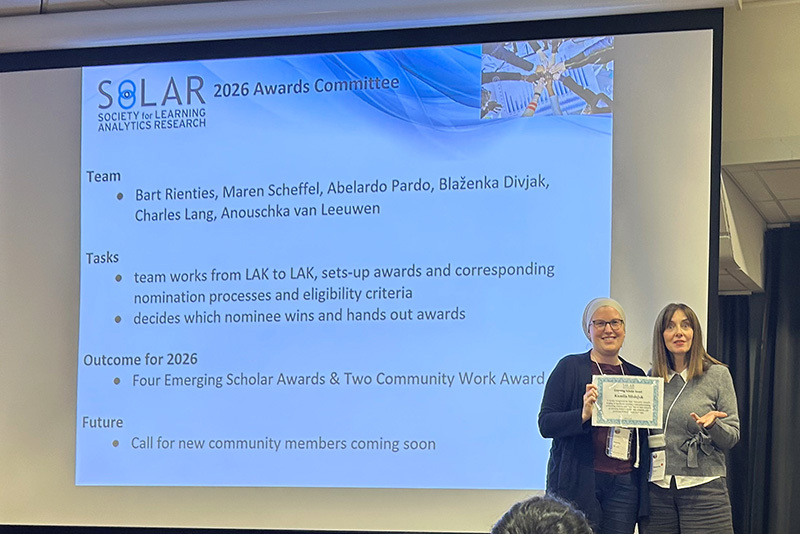
The highlight of the conference from CATALPA’s perspective: Kamila Misiejuk was awarded the Emerging Scholar Award (Europe) — one of the most prestigious recognitions for emerging researchers in the field of learning analytics. The award honors her outstanding scientific contributions to the community and is a strong testament to the quality of the research being conducted by the postdoctoral researcher at CATALPA.
Co-organized five workshops
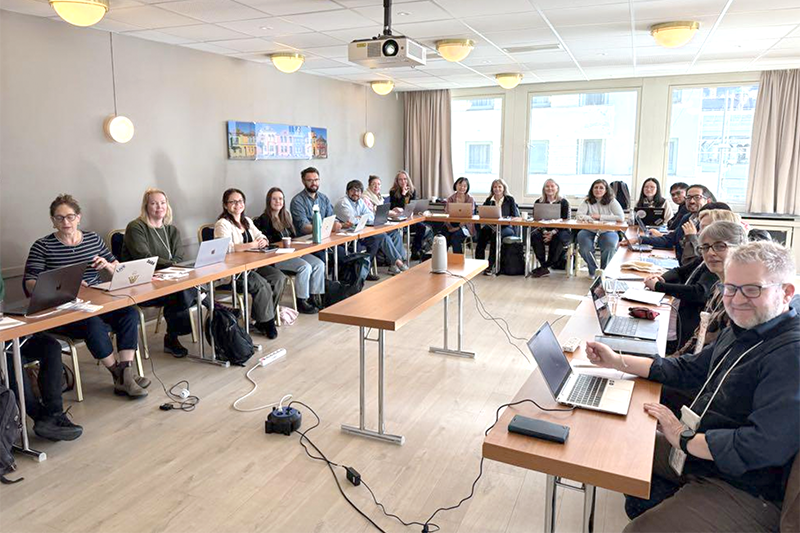
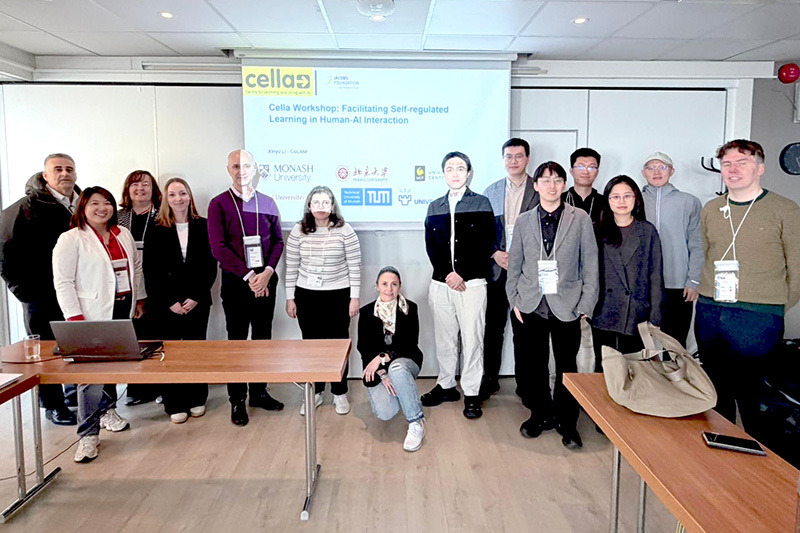
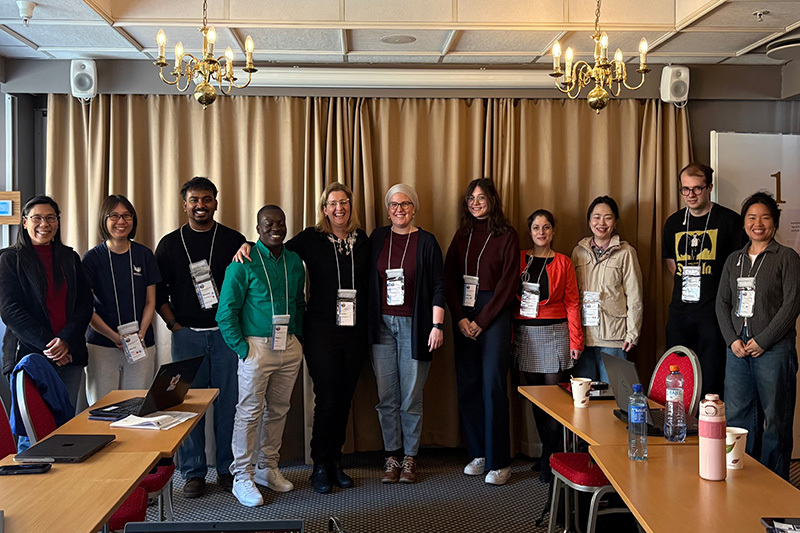
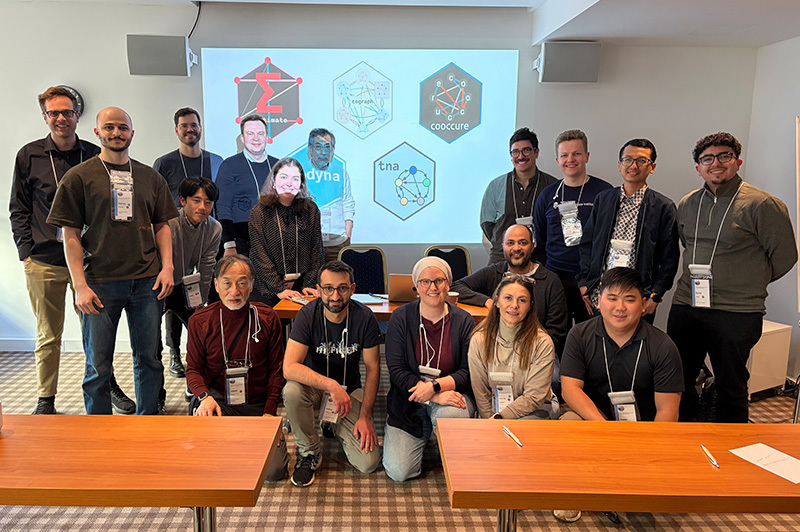
The CATALPA team was involved in various program items at the conference. No fewer than five workshops were co-organized by CATALPA members: ranging from a practice-oriented tutorial on Transition Network Analysis to a workshop on explainable AI in education (XAI-Ed), as well as Quantitative Ethnography in the AI Era, personalized feedback at scale, and a workshop on human-centered generative AI in smart learning environments. The range of topics reflects the diversity of CATALPA’s research and its connections within the international research landscape.
Doctoral Consortium: Valuable Exchange for Early-Career Researchers
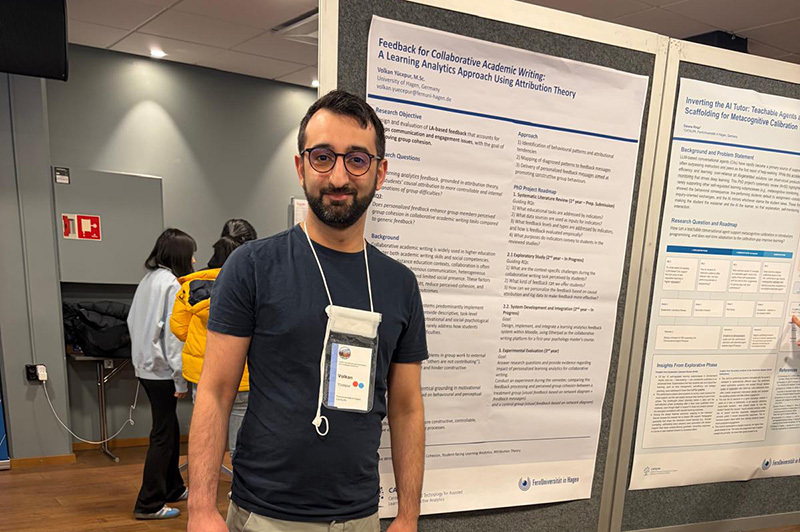
Daiana Rinja and Volkan Yücepur gained a lot from the LAK26 Doctoral Consortium: “We received extensive feedback from leading researchers and important insights for our dissertation projects.” Particularly valuable for both was the opportunity to establish early connections within the community and exchange ideas with other early-career researchers.
Attended workshops, broadened perspectives
Ekaterina Soroka gained new insights particularly from the workshop on Graphical Causal Modeling. “Here, it became especially clear how important it is in learning analytics research to go beyond correlations and explicitly model causality—for example, using Directed Acyclic Graphs (DAGs). “Overall, the workshop provided compelling arguments that studies should, whenever possible, be designed to allow for causal conclusions so that their results can better inform concrete educational decisions and measures. A very useful foundation for future work.” In line with this, the workshop on Curriculum Analytics then demonstrated how hidden structural problems in degree programs can be made visible in order to better guide students through their studies and improve recognition processes.
Posters and Other Contributions
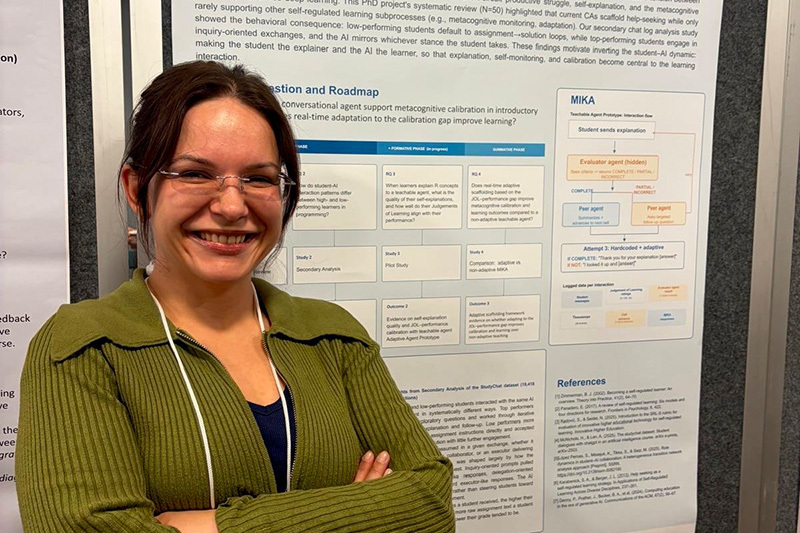
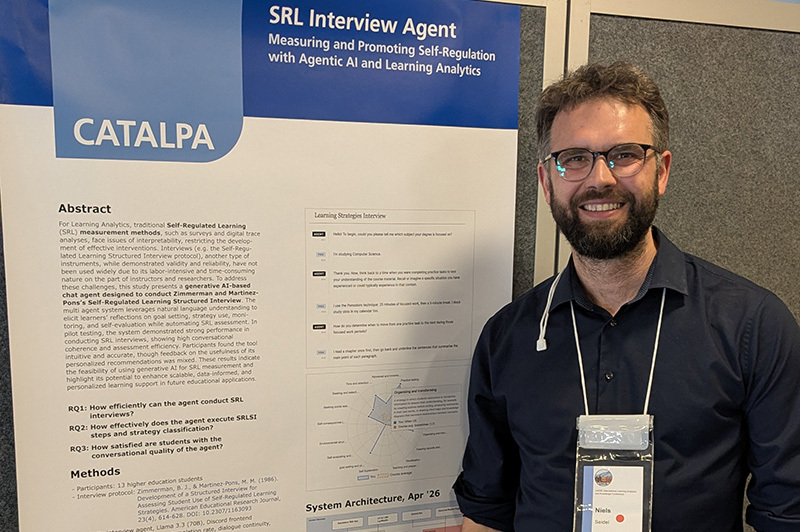
A total of four poster presentations also came from the CATALPA team. In the poster sessions, Niels Seidel presented approaches to promoting self-regulation with agentic AI. Jakub Kuzilek introduced an AI-supported approach to transforming the consent process. As part of the Doctoral Consortium, Daiana Rinja and Volkan Yücepur presented their current research on learnable agents and collaborative academic writing.
LAK26 has once again demonstrated how deeply and productively CATALPA is embedded in the international learning analytics community. Anticipation for LAK27 is already building.
- CATALPA Research professorship Learning Analytics | more
- Learning Analytics and Knowledge Conference 26 | more
- Graphical Causal Modelling for Learning Analytics: Why, how and what next? | more
- Curriculum Analytics for 21st-Century Competencies in Postsecondary Education | more